The Role of HR in Building a High-Performing Workforce
Let’s be honest no company succeeds without the right people. You can have the best product in the market, but if your team isn’t motivated, skilled, or working well together, things fall apart quickly.
That’s where HR comes in. And no, we’re not just talking about hiring and firing. Modern HR is about building teams that actually perform and keep performing over time. For those serious about leading this kind of work, earning a master of human resource management online is one of the smartest moves you can make.
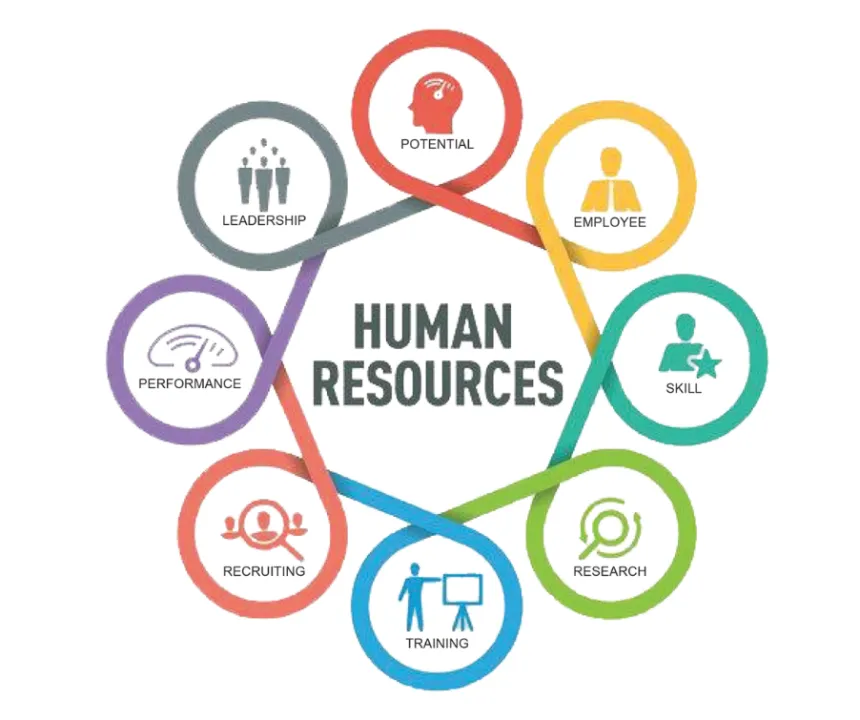
So what does HR really do when it comes to building a strong workforce? Let’s break it down.
Setting Clear Expectations From the Start
People can’t perform well if they don’t know what’s expected of them. It sounds simple, but you’d be surprised how many companies skip this step.
HR helps set clear goals for every role. These goals should connect to what the company is trying to achieve overall. When an employee understands how their daily work matters to the bigger picture, they naturally put in more effort.
Clear expectations also make things fair. Everyone knows what they need to do, and everyone is measured the same way. That builds trust and trust is the foundation of a team that works well together.
Hiring People Who Actually Fit
Hiring is more than just filling an empty chair. A wrong hire costs time, money, and team energy. HR’s job is to make sure that doesn’t happen or at least happens less often.
Good HR teams don’t wait until someone quits to start looking. They plan ahead. They know what skills the company will need six months from now. They build a reputation that makes talented people want to apply.
And during interviews, they look beyond the resume. Can this person work with the team? Are they willing to learn? Do they care about the work? These things matter just as much as technical skills sometimes even more.
Making New Hires Feel Welcome
Think about your first week at a new job. Were you confused? Left alone? Didn’t know who to ask for help? That’s what bad onboarding feels like.
HR can fix this. A solid onboarding process helps new employees settle in faster. It introduces them to the team, explains how things work, and gives them small early wins to build confidence.
Companies that do onboarding well see real results. New hires become productive sooner. They feel more connected to the company. And they’re far less likely to quit in the first year. It’s a small investment that pays off big.
Helping People Grow — Not Just Once, But Always
The world changes fast. Skills that were valuable five years ago might be outdated now. If a company isn’t helping its people learn new things, it’s falling behind.
HR creates opportunities for growth. This could be workshops, online courses, mentorship programs, or even just giving people room to try new things at work. The format matters less than the mindset learning should be a normal part of the job, not something that happens once a year.
When people feel like they’re growing, they stay engaged. They bring new ideas. They solve problems in creative ways. A culture of learning doesn’t just help individuals it makes the whole company stronger.
Giving Feedback That Actually Helps
Most people dread performance reviews. They happen once a year, feel awkward, and rarely lead to real change. HR knows this and the best HR teams are moving away from that old model.
Instead, they encourage regular check-ins between managers and employees. Short, honest conversations about what’s going well and what needs work. No surprises. No stress. Just clear, useful feedback that helps people improve in real time.
HR also trains managers to give better feedback. Because let’s face it not every manager is naturally good at it. Teaching them to coach instead of criticize makes a huge difference in how teams perform.
Keeping Good People Around
Hiring great people is only half the battle. Keeping them is the other half and often the harder one.
People don’t leave companies just for more money. They leave because they feel ignored, stuck, or undervalued. HR’s job is to make sure that doesn’t happen.
This means listening to what employees actually want. Running surveys. Having honest conversations. And then doing something with what you hear. Sometimes it’s about better pay. Sometimes it’s about flexible hours. Sometimes it’s simply about saying “thank you” more often.
When people feel valued, they stay. When they stay, the company doesn’t have to keep spending time and money replacing them. It’s that straightforward.
Creating a Workplace Where Everyone Belongs
Teams work better when they include different perspectives. People from different backgrounds, experiences, and ways of thinking bring ideas that a homogeneous group would miss.
But diversity doesn’t happen on its own. HR has to be intentional about it from how job postings are written to how promotions are decided. It’s about removing barriers and making sure everyone gets a fair shot.
And it’s not just about hiring diverse people. It’s about creating a culture where they actually feel included. Where they can speak up without fear. Where their contributions are recognized. That’s the part most companies struggle with, and it’s where good HR makes the biggest impact.
Using Data to Make Smarter Decisions
HR used to rely mostly on gut feelings. That’s changing and for good reason.
Today, HR teams use data to answer important questions. Which departments have the highest turnover? What kind of training actually improves performance? Which interview methods predict success best?
Data takes the guesswork out of people decisions. But numbers alone aren’t enough. You still need someone who understands people to interpret what the data means and decide what to do about it. That balance of data and human judgment is what makes modern HR so effective.
Building a Healthy Work Culture
Culture isn’t about having a foosball table in the break room. It’s about how people treat each other, how decisions get made, and whether people feel safe being honest.
HR shapes culture in dozens of small ways through the policies they write, the behaviors they reward, and the problems they choose to address. A toxic manager who gets ignored sends a message. An employee who gets recognized for helping a colleague sends a different one.
The best HR teams are intentional about culture. They define it, measure it, and protect it. Because once a good culture breaks down, it takes years to rebuild.
Why HR Matters More Than Ever
Business is getting more complex. Remote work, global teams, rapid technology changes, new employee expectations it’s a lot to manage. And the companies that handle it best are the ones that take HR seriously.
HR isn’t a support function sitting in the background. It’s the team that builds the workforce everyone else depends on. When HR does its job well, people show up motivated, teams collaborate smoothly, and the company is ready for whatever comes next.
If you’re working in HR or thinking about entering the field, now is the time to level up your skills. The demand for HR professionals who can think strategically, use data, and genuinely understand people has never been higher. And the impact you can make on real people’s careers and lives is hard to match in any other role.